Treatment · Riyadh
Dental implants in Riyadh
A dental implant replaces the root of a missing tooth and supports a crown that looks and functions like a natural tooth, without shaping the neighboring teeth.
What is a dental implant?
An implant is a small titanium or zirconia post placed in the jawbone where a tooth is missing. Once it has integrated with the bone, it supports a crown, a bridge or a denture. Because it stands on its own, the teeth next to the gap are left untouched.
Who it may suit
- People missing one or several teeth.
- A tooth that cannot be saved and needs to be removed.
- People who prefer not to have the adjacent teeth prepared for a bridge.
Enough healthy bone is needed, or bone that can be grafted. Gum health, smoking and some medical conditions are reviewed before treatment.
How treatment works
- Assessment. Examination and a 3D CBCT scan to measure bone and locate nerves and sinuses.
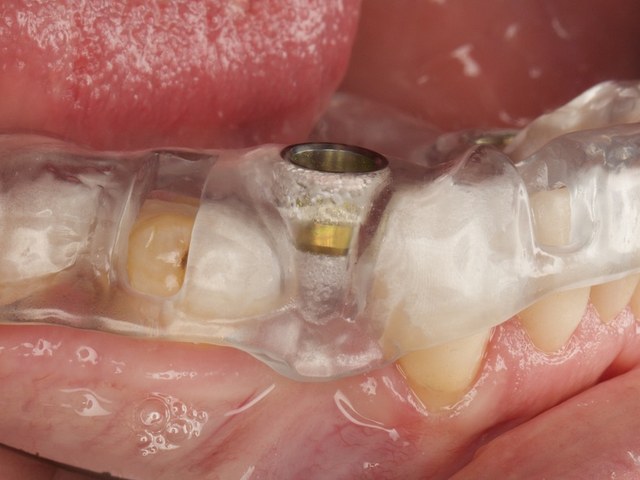
- Digital plan. The crown is designed first, then the implant is positioned to support it. A 3D-printed surgical guide is made from the plan.
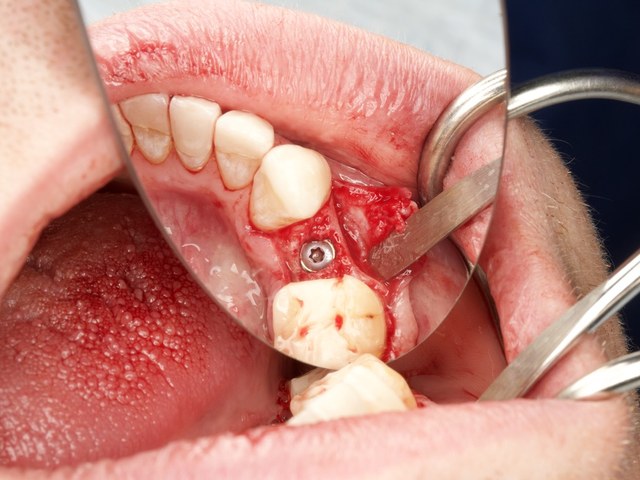
- Placement. The implant is placed through the guide, usually under local anesthesia.
- Healing. Typically a few months for the implant to integrate. In selected cases a provisional tooth is placed the same day.
- Final crown. The implant is scanned digitally and a custom crown is made and attached.
Dr. Almalki's approach
As a prosthodontist, Dr. Almalki plans the implant around the final tooth, so the crown can be shaped and cleaned properly. Digitally guided surgery transfers that plan to the mouth with precision. His research includes deep-learning methods for identifying dental implant systems (Journal of Imaging, 2026).
Step by step
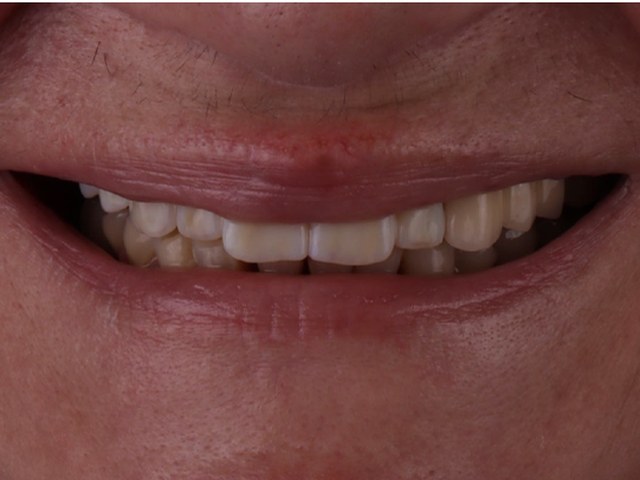
Clinical photography
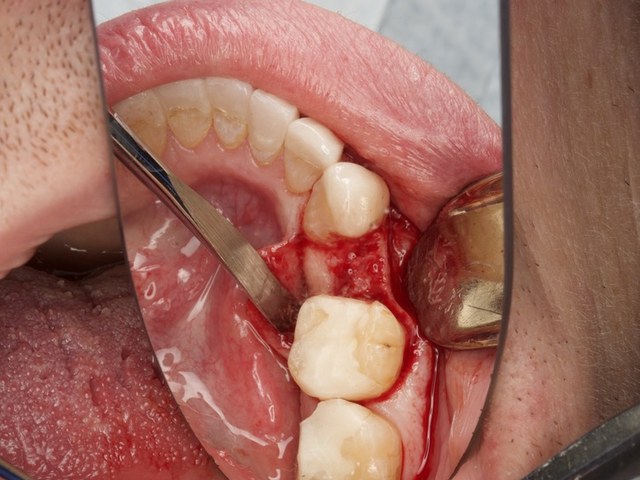
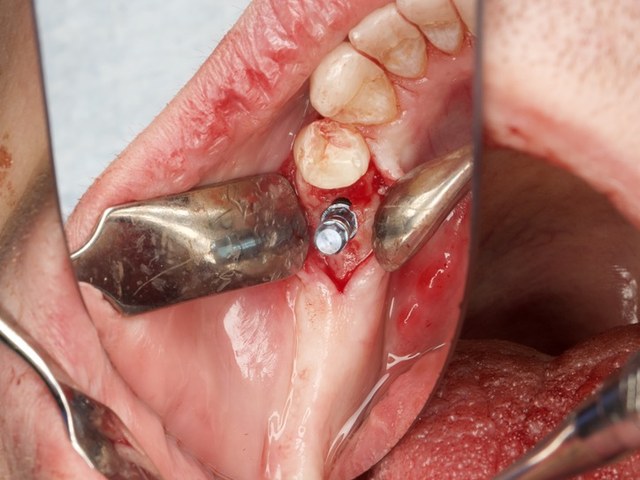
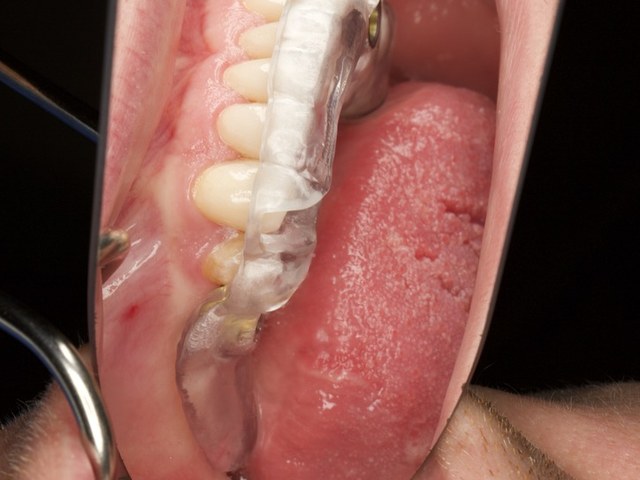
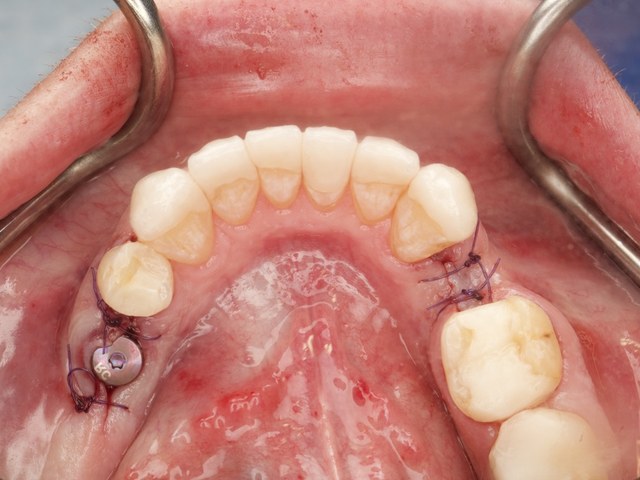
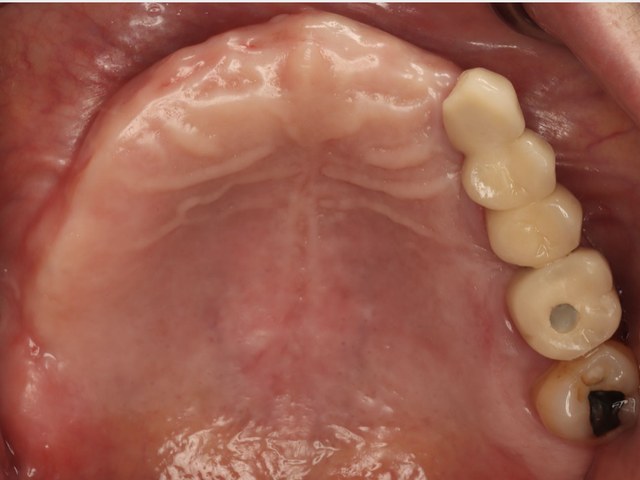
Case 1 — Single Implant Placement
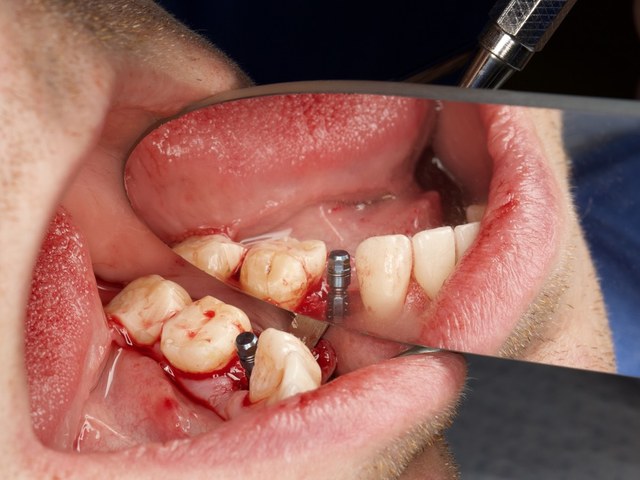
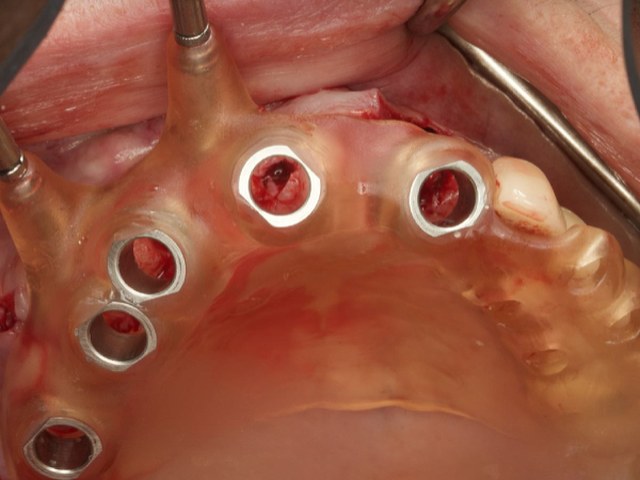
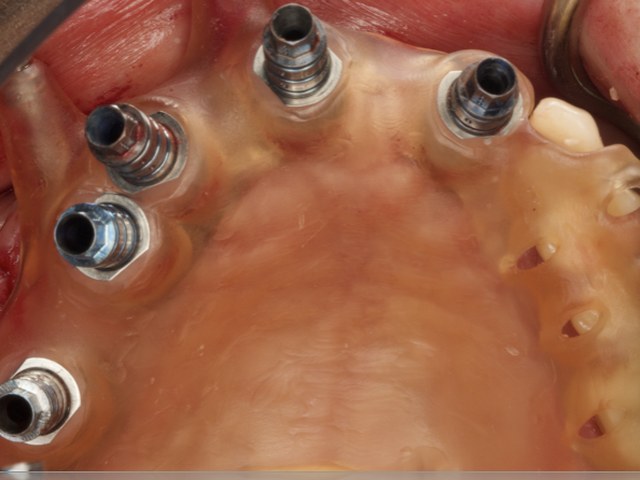
Case 3 — Fully Guided Surgery with Immediate Load
FAQ
Common questions
A custom 3D-printed surgical guide, designed from your CT scan, directs the exact position, angle, and depth of each implant. It improves precision and reduces uncertainty during placement.
Not necessarily. Many single-implant procedures are done comfortably with local anesthesia alone. Sedation is usually reserved for anxious patients, longer procedures like full-arch cases, or simply by preference — it's a choice, not a requirement.
Most patients feel little to no pain during the procedure itself since it's done under local anesthesia. Mild soreness or swelling for a few days afterward is normal and usually manageable with over-the-counter pain relief.
Placing a temporary tooth on the implant the same day as surgery, instead of waiting months to heal first. It's not suitable for every case — it depends on bone quality, implant stability, and the treatment plan.
Most patients return to normal activities within a day or two. Mild swelling, soreness, or minor bruising can occur for a few days, with follow-up visits to monitor healing.
Brush and floss as you would natural teeth (a water flosser or interdental brush helps around implants), keep up with regular checkups and cleanings, and avoid excessive force like chewing ice or very hard foods.
Both can replace a missing tooth. An implant stands on its own and does not involve the neighboring teeth. A conventional bridge is supported by the adjacent teeth, which usually need to be shaped for crowns; a Maryland bridge is a more conservative option in some front-tooth cases. The right choice depends on bone, the condition of the neighboring teeth, and your preferences.
Other treatments
Related treatments
Full-arch implants
Fixed teeth on implants for one or both jaws, including same-day provisional teeth when suitable.
Learn more →Veneers & smile design
Conservative porcelain veneers and smile design to refine tooth shape, color and proportions.
Learn more →Crowns & bridges
Zirconia and ceramic crowns, conventional bridges and conservative Maryland bridges.
Learn more →Dentures & overdentures
Complete and partial dentures, and overdentures that clip onto implants for a secure fit.
Learn more →Get in touch
Questions, referrals, or collaboration
Follow