Consultant Prosthodontist · Riyadh, Saudi Arabia
Abdulrahman
Almalki
BDS · MS · DABP · FACP · FRCDC · AFAAID
Board-certified prosthodontist and Assistant Professor specializing in full-arch implant rehabilitation, digital workflows, and CAD/CAM restorative dentistry.
About
Trained at Penn. Practicing in Riyadh.
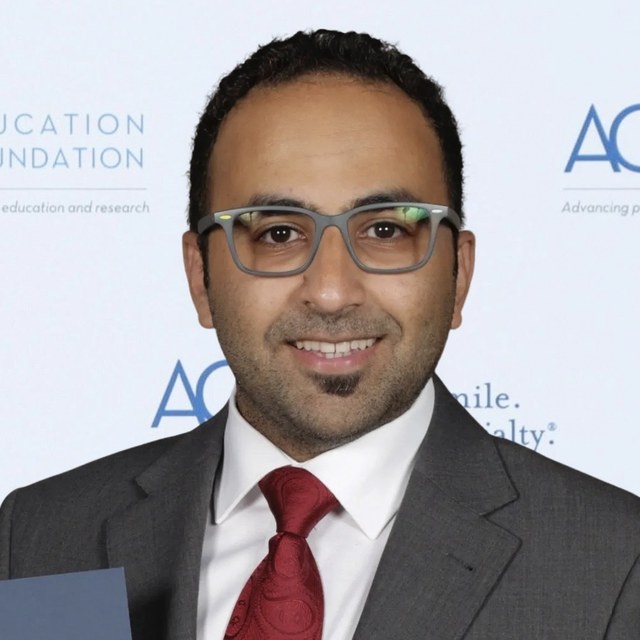
Dr. Abdulrahman Almalki is a board-certified prosthodontist (Diplomate, American Board of Prosthodontics) and Assistant Professor at Prince Sattam Bin Abdulaziz University, College of Dentistry. He completed his advanced prosthodontics residency and Master of Science in Oral Biology at the University of Pennsylvania School of Dental Medicine. His clinical and academic work centers on full-arch implant rehabilitation, digital scanning accuracy, and CAD/CAM restorative materials — with a research record spanning implant dentistry, digital workflows, and emerging applications of artificial intelligence in dental education.
My Journey
From Philadelphia to Riyadh
2019 – 2022
University of Pennsylvania, School of Dental Medicine
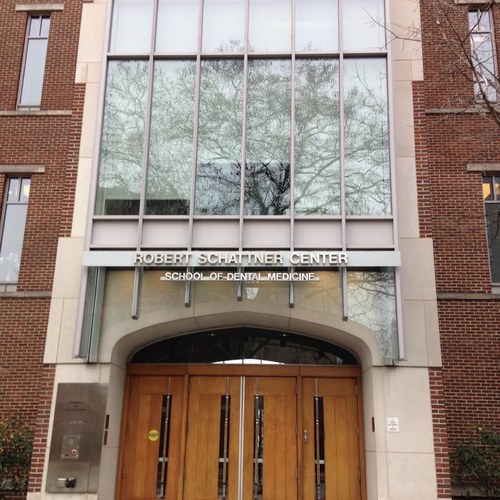
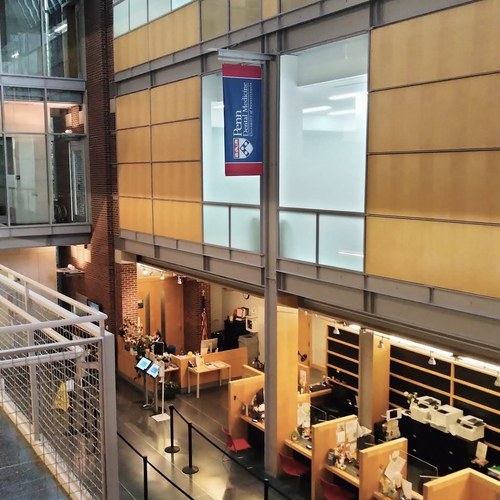
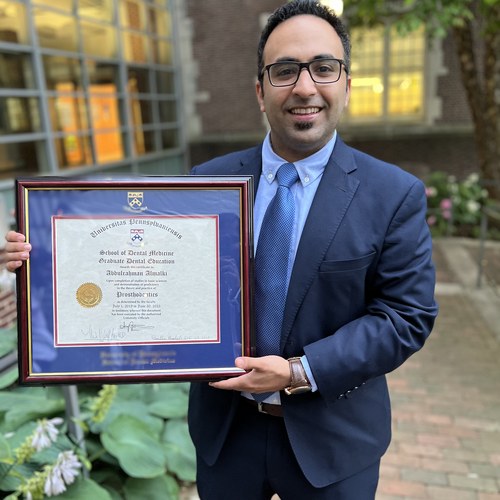
Advanced prosthodontics residency and Master of Science in Oral Biology, at the Robert Schattner Center in Philadelphia, PA.
2022 – 2023
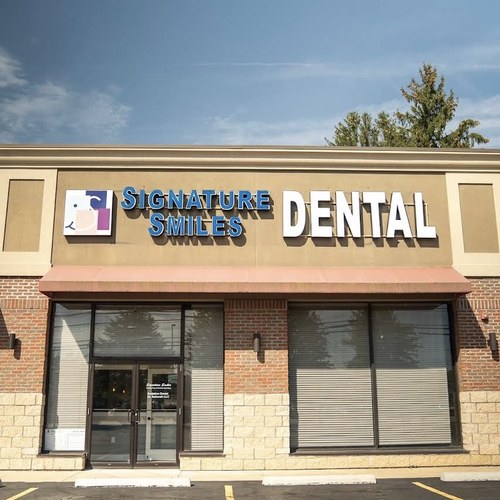
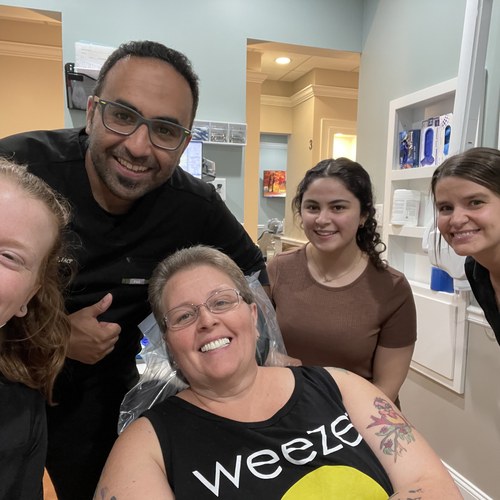
Signature Smile Dental, Brunswick, Ohio
Full-time prosthodontist, practicing general and implant prosthodontics in Ohio, USA.
2024 – Present
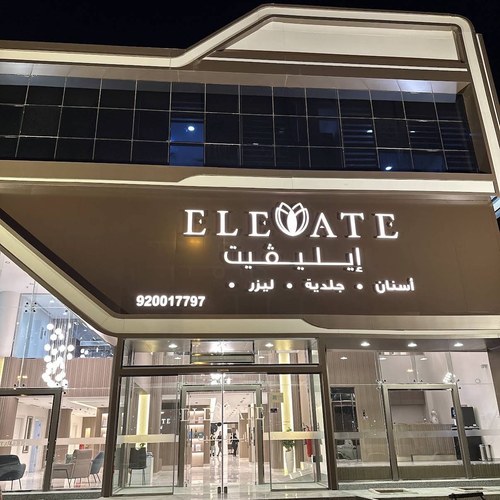
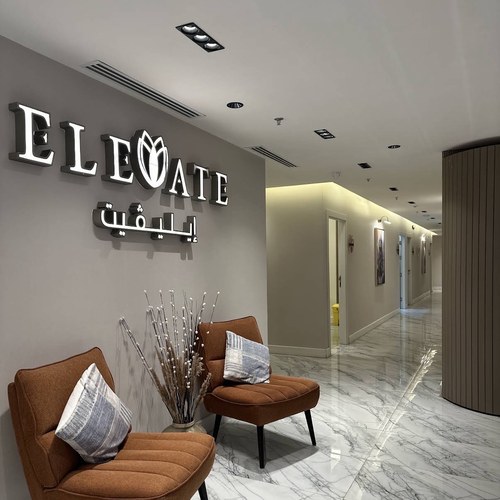
Elevate Dental Clinic, Riyadh
Consultant prosthodontist in private practice, alongside his academic role at PSAU.
Treatments
Treatments in Riyadh
Full-arch implants
Fixed teeth on implants for one or both jaws, including same-day provisional teeth when suitable.
Learn more →Dental implants
Single and multiple implants with digitally guided surgery, restored with natural-looking crowns.
Learn more →Veneers & smile design
Conservative porcelain veneers and smile design to refine tooth shape, color and proportions.
Learn more →Crowns & bridges
Zirconia and ceramic crowns, conventional bridges and conservative Maryland bridges.
Learn more →Dentures & overdentures
Complete and partial dentures, and overdentures that clip onto implants for a secure fit.
Learn more →Areas of focus
Where clinical practice meets research
Full-Arch Implant Prosthodontics
Verification jig workflows, multi-unit vs. regular abutments, and long-term marginal bone outcomes in full-arch implant prostheses.
Digital Workflows & CAD/CAM
Intraoral scanning accuracy, digital impression protocols, and material selection for CAD/CAM post-and-core and provisional restorations.
Academic Research & Education
Systematic reviews, resident education, and applications of AI in dental diagnostics and prosthodontic training.
Smile transformations
Selected clinical cases
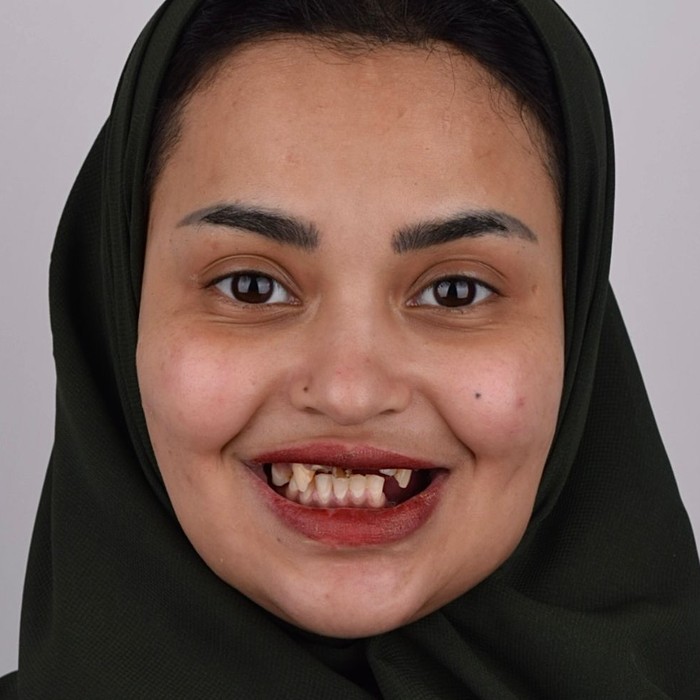
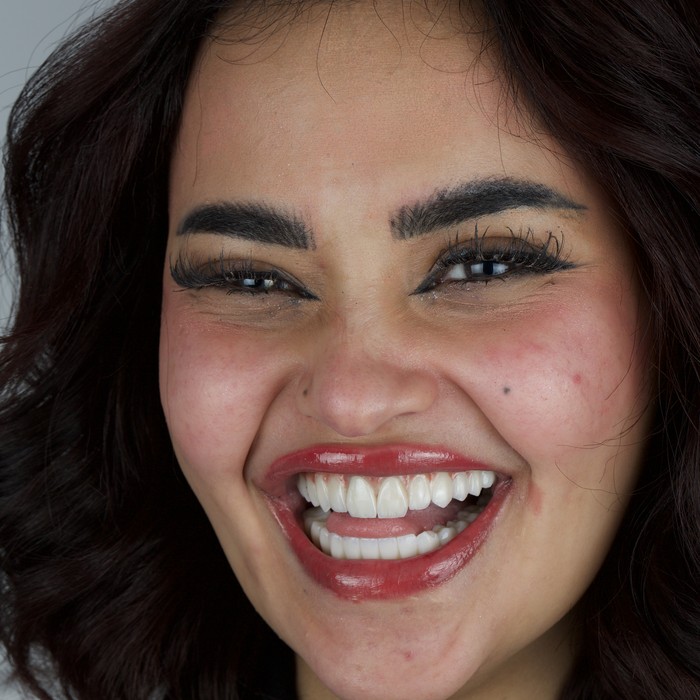
Full-Mouth Rehabilitation — Both Arches
Complete rehabilitation of both the upper and lower arches using dental implants and fixed prosthetics, restoring function and a natural smile.
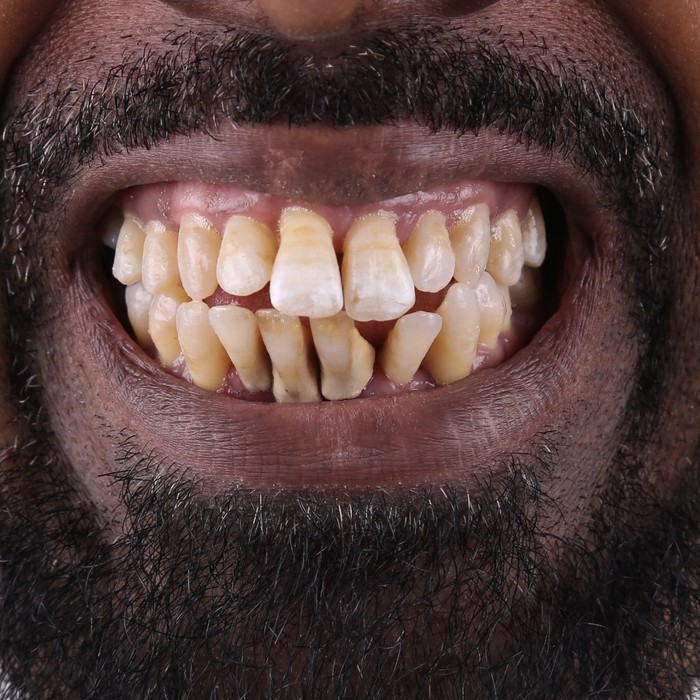
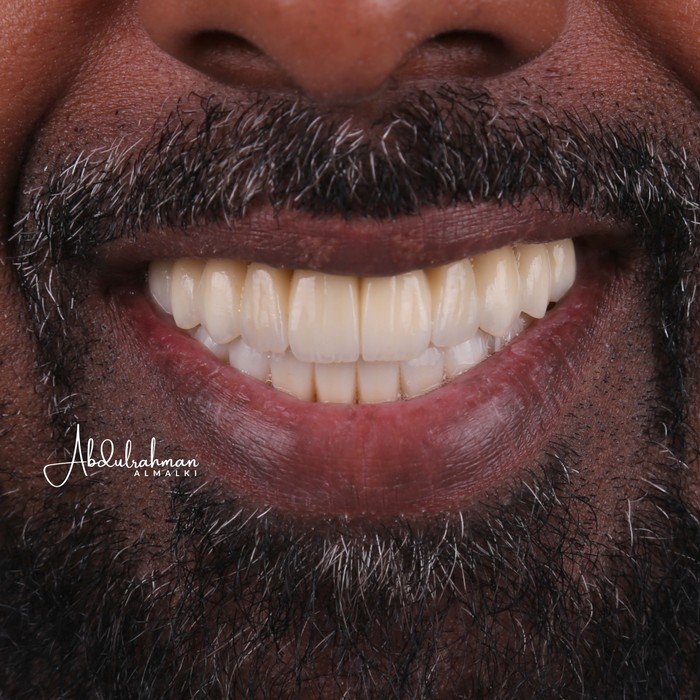
Full-Arch Implant Rehabilitation
Complete-arch implant-supported fixed prosthesis, planned digitally and verified with a full-arch verification jig — restoring a natural, vital tooth appearance.
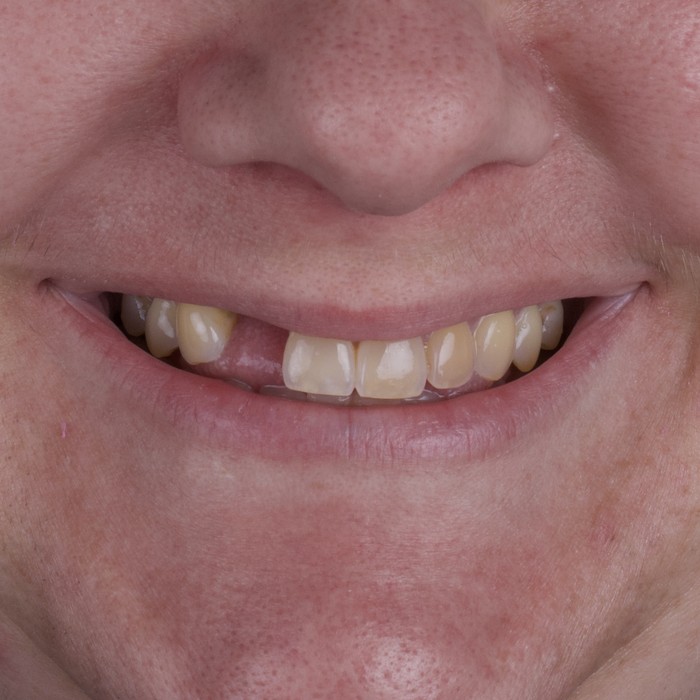
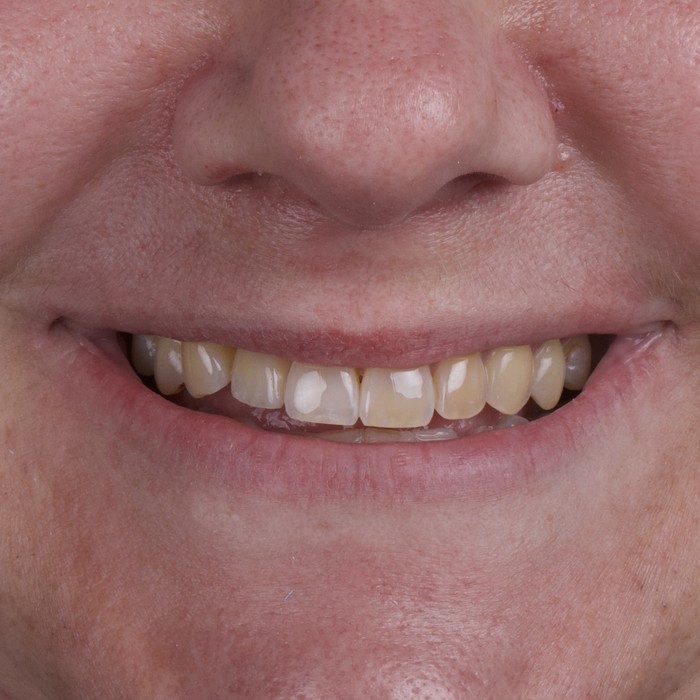
Maryland Bridge — Conservative Anterior Restoration
A resin-bonded Maryland bridge replacing a missing front tooth without cutting down the adjacent teeth — a minimally invasive alternative to an implant or conventional bridge.
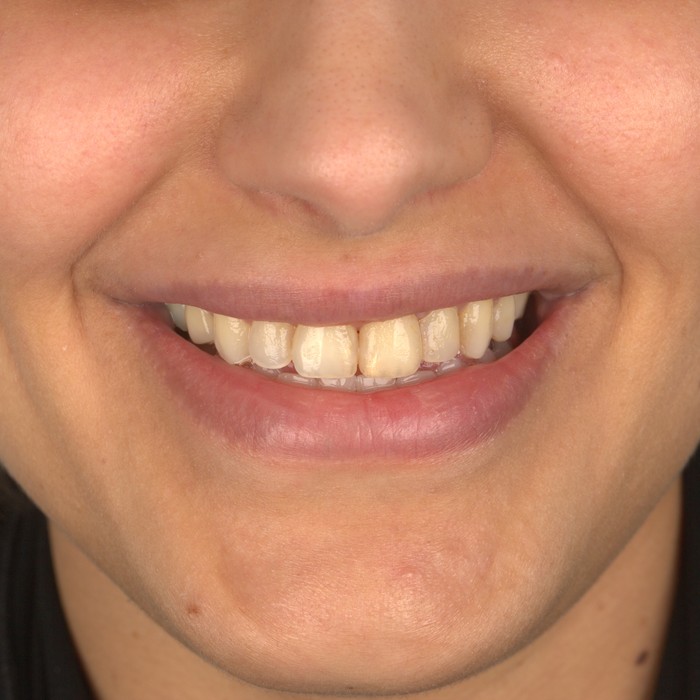
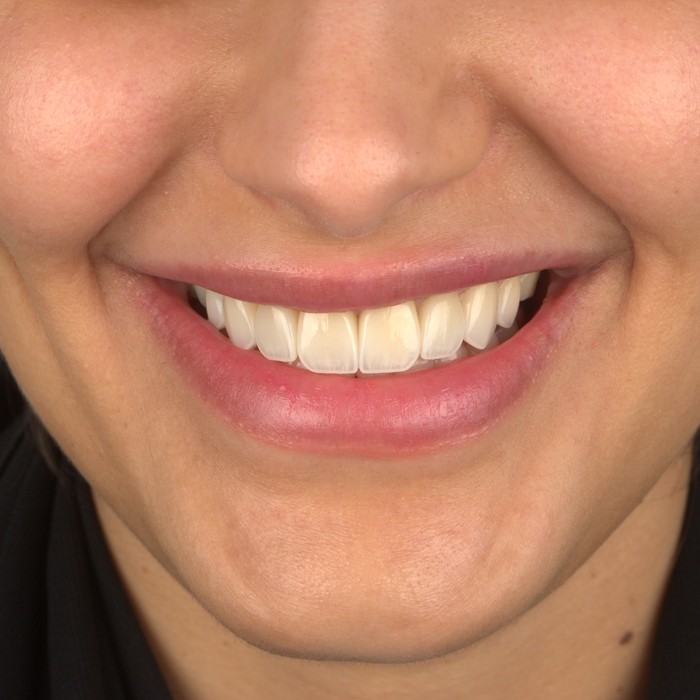
Conservative Porcelain Veneers
Minimal-prep porcelain veneers to refine tooth shape and color, preserving healthy enamel while elevating the smile.
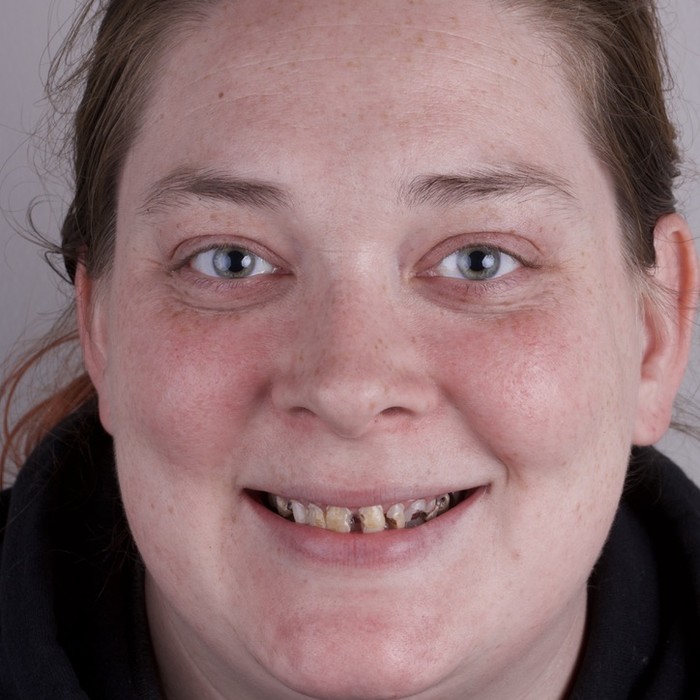
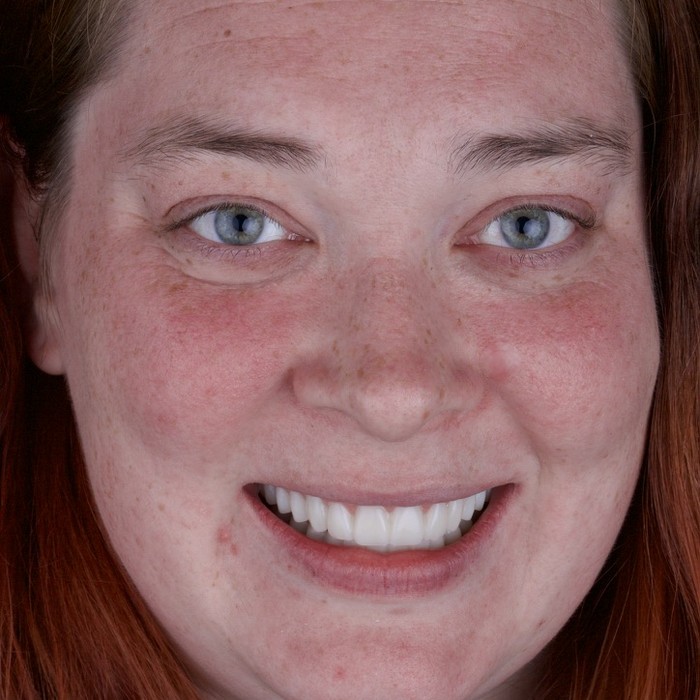
Implant-Retained Overdenture
Implant-retained overdenture replacing severely broken-down anterior teeth, restoring a full, natural-looking smile and improved function.
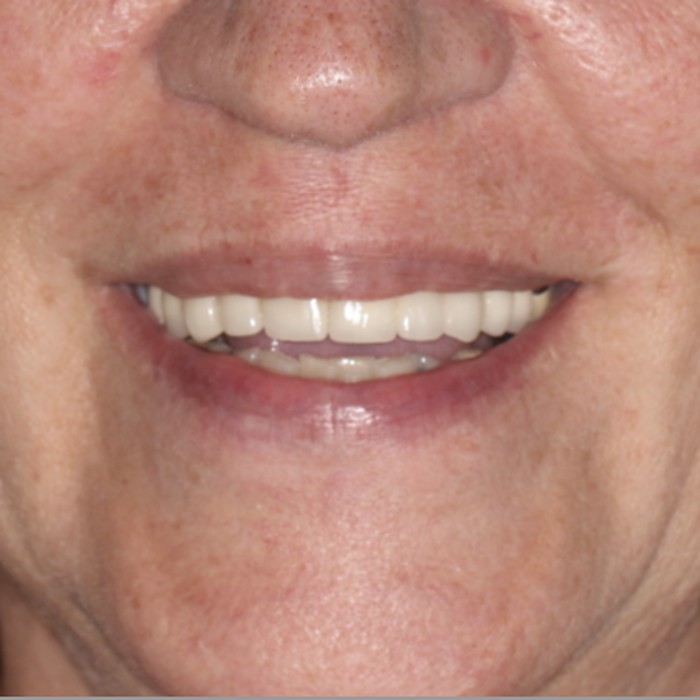
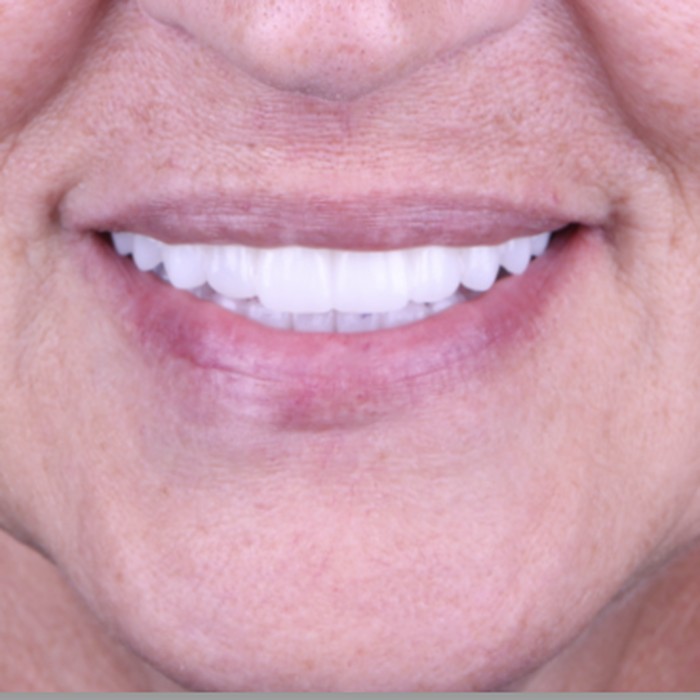
Full-Mouth Immediate Implant Rehabilitation
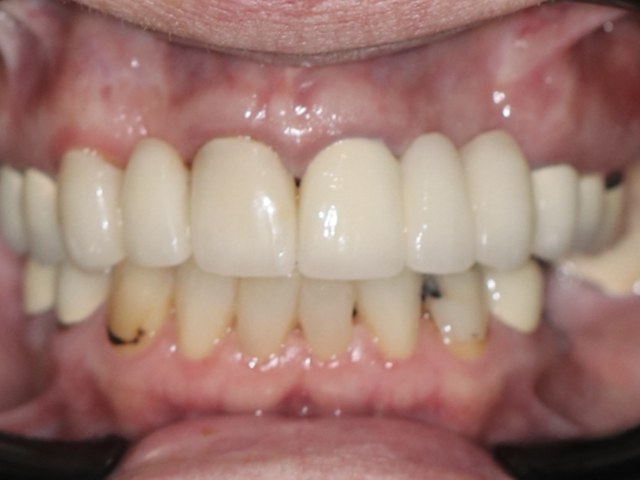
Immediate implant placement and loading with a final zirconia prosthesis, completed in a single continuous treatment course.
Case photography is added with patient consent — this section will be populated with real before/after cases. Get in touch if you'd like to see examples relevant to your treatment.
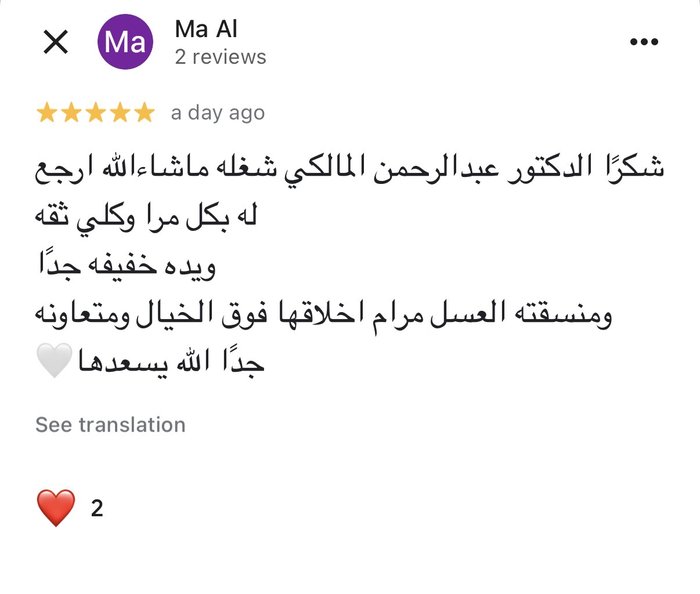
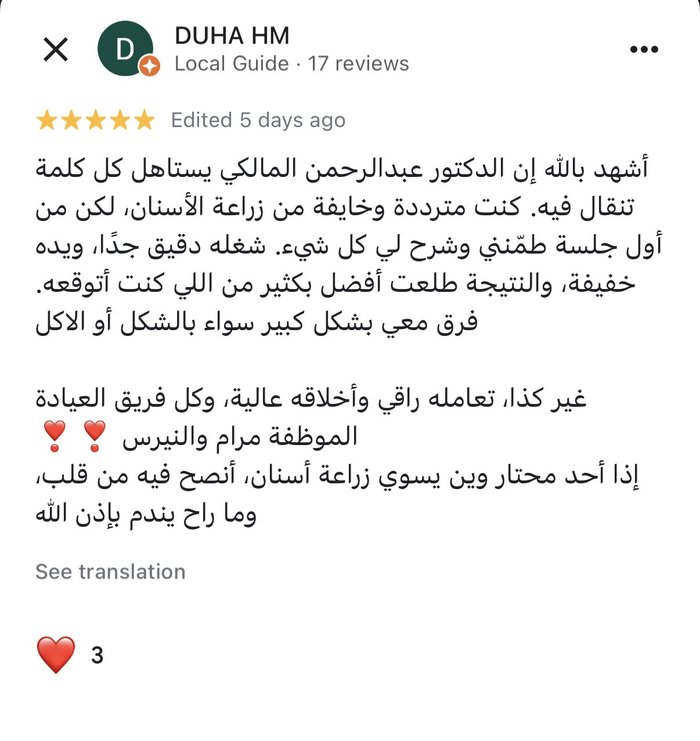
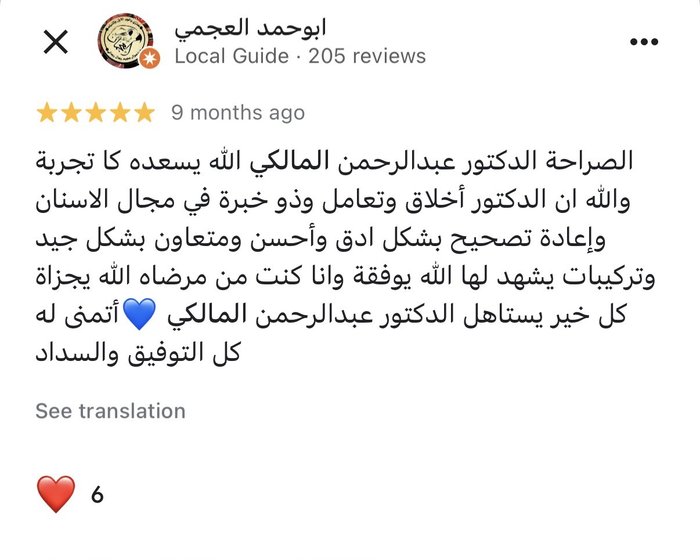
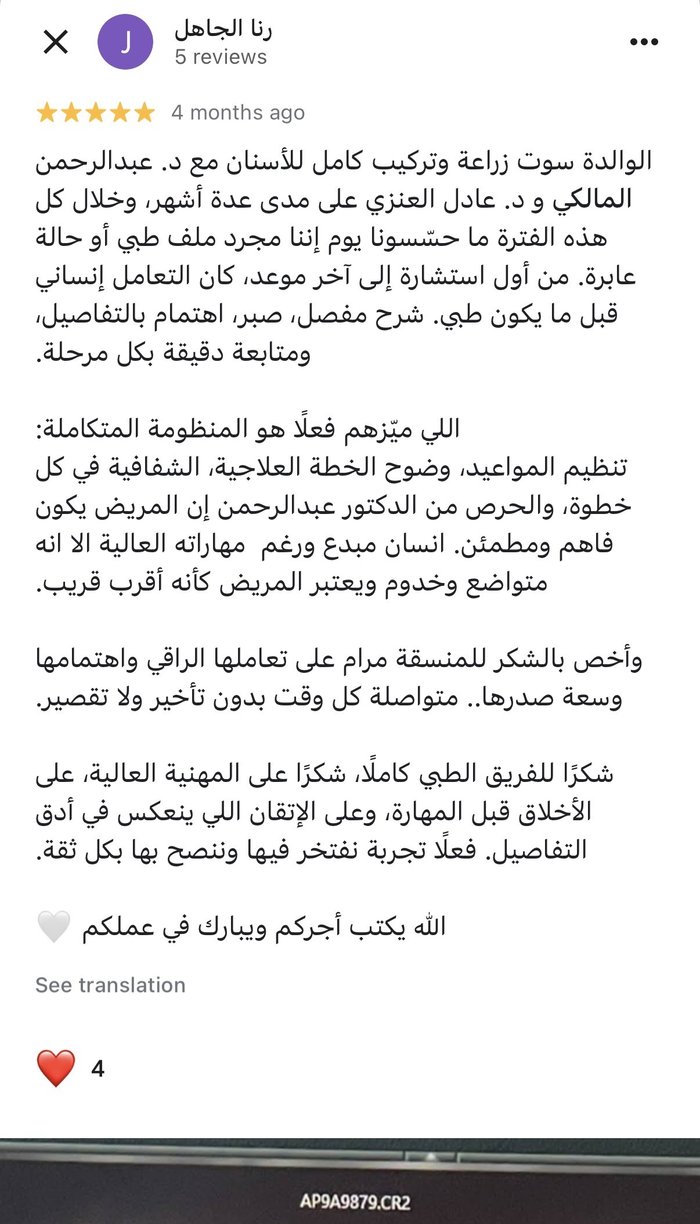
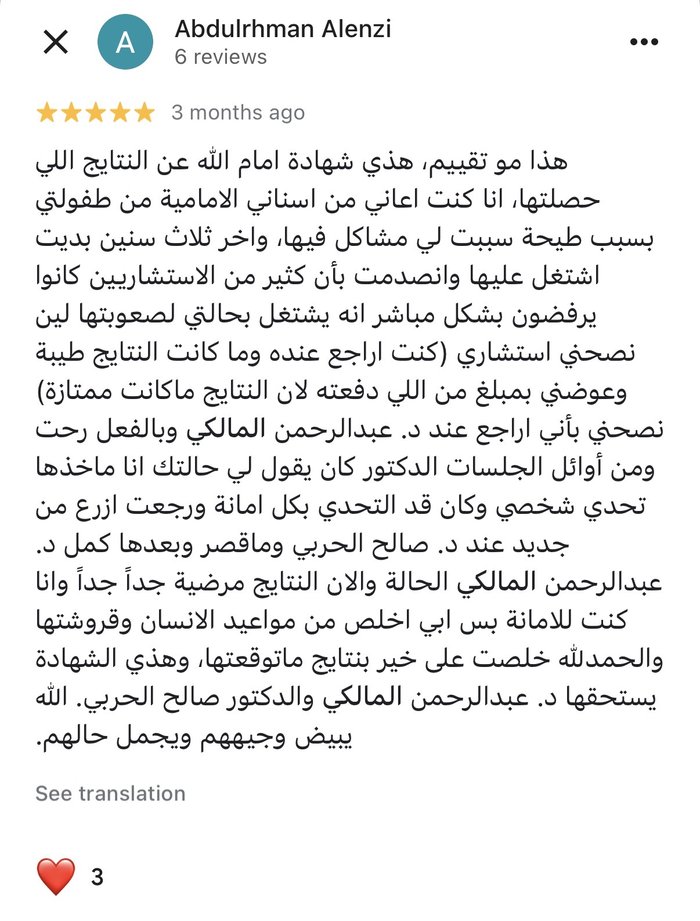
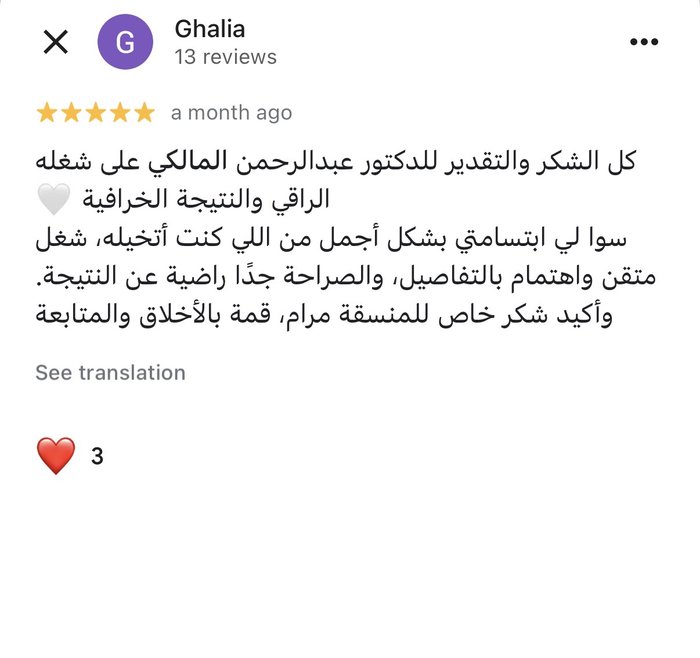
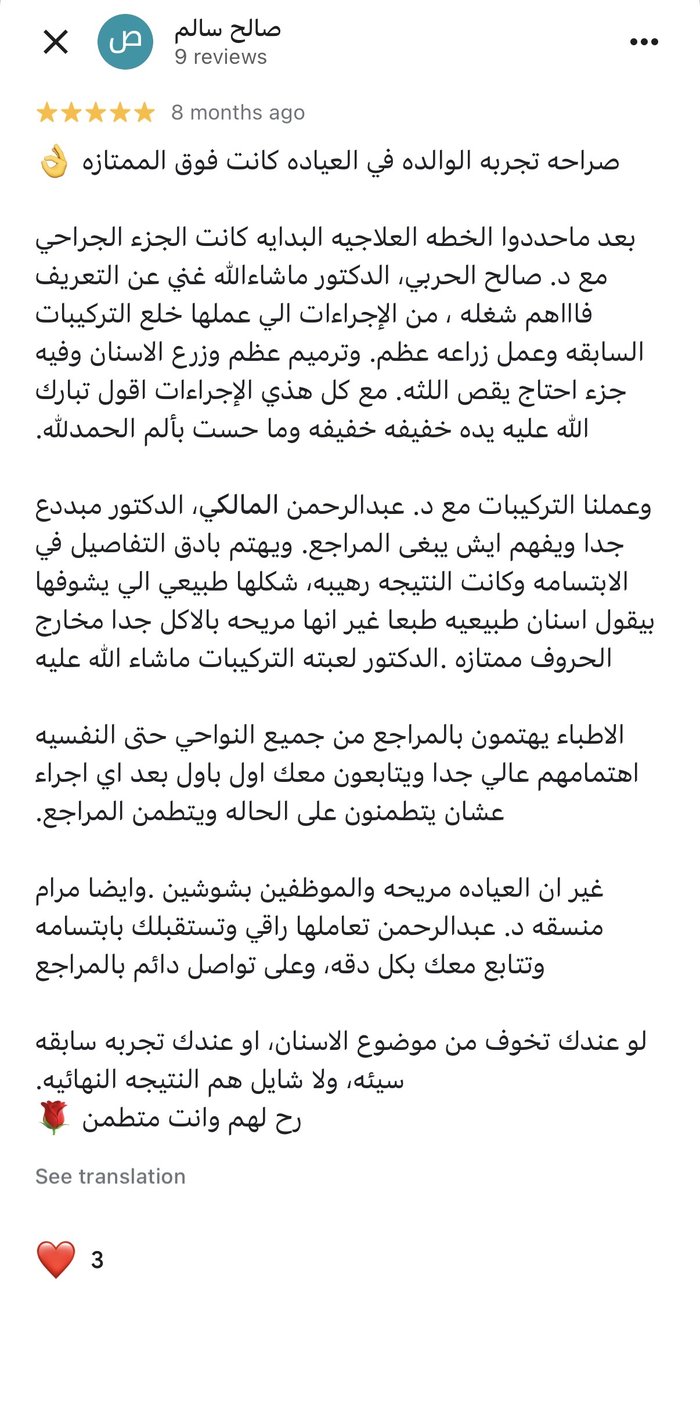
Patient reviews
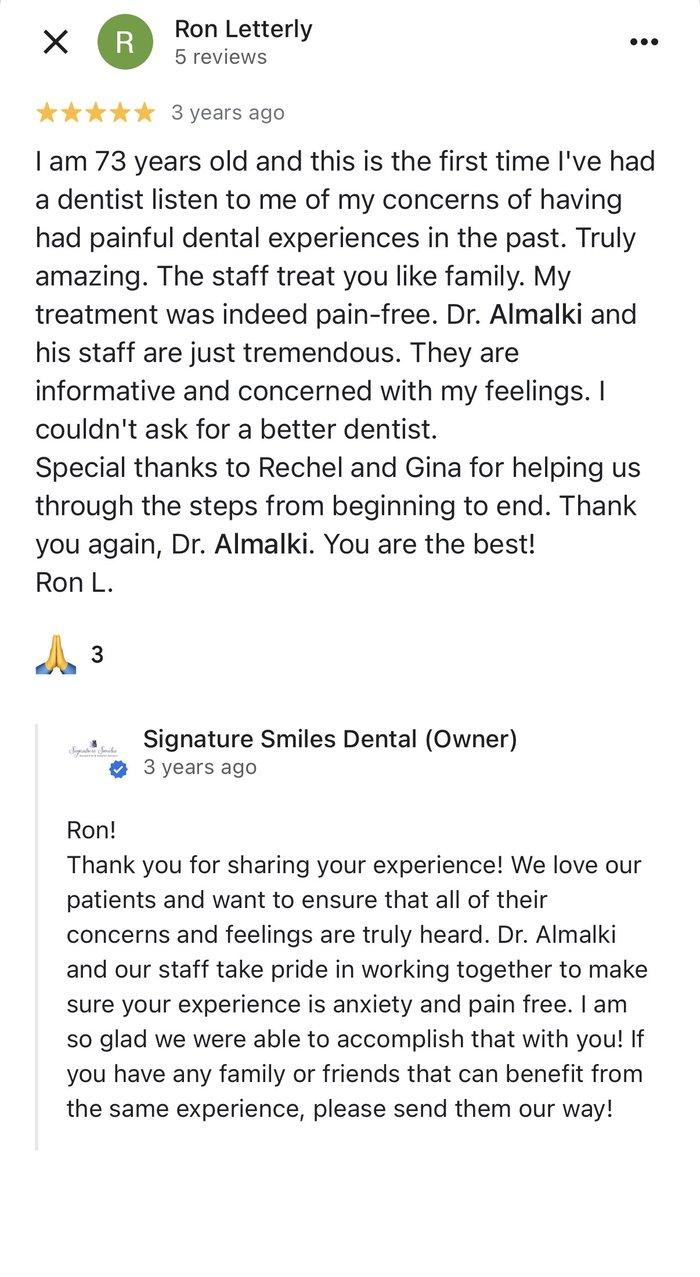
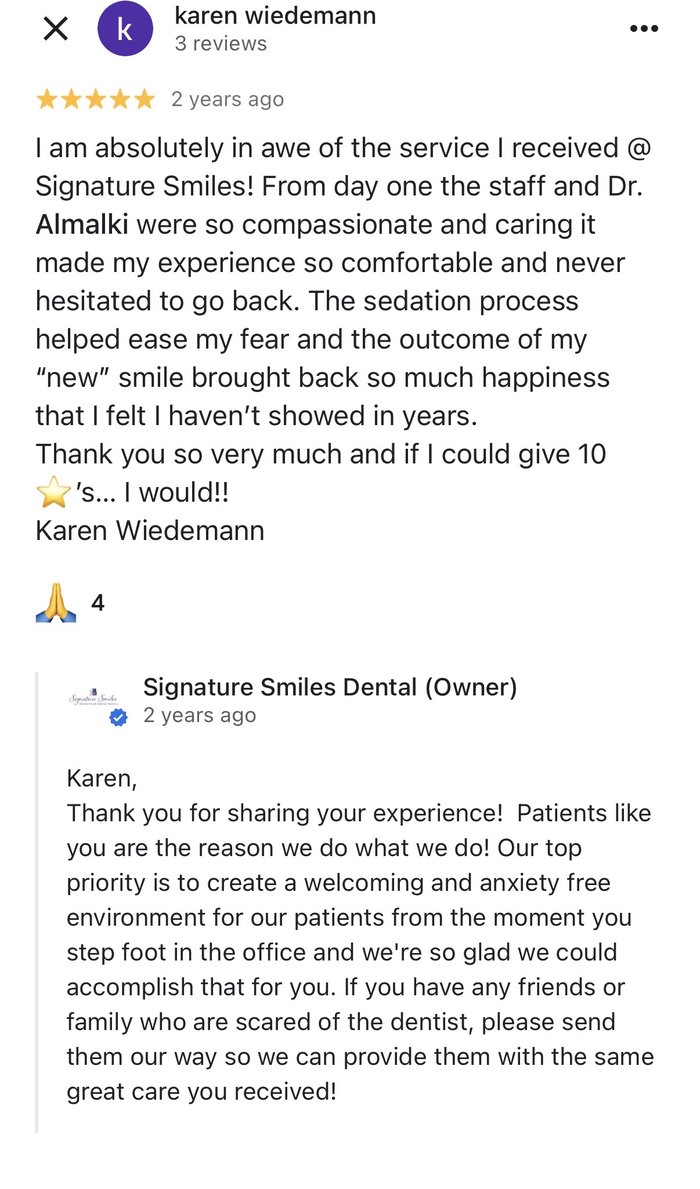
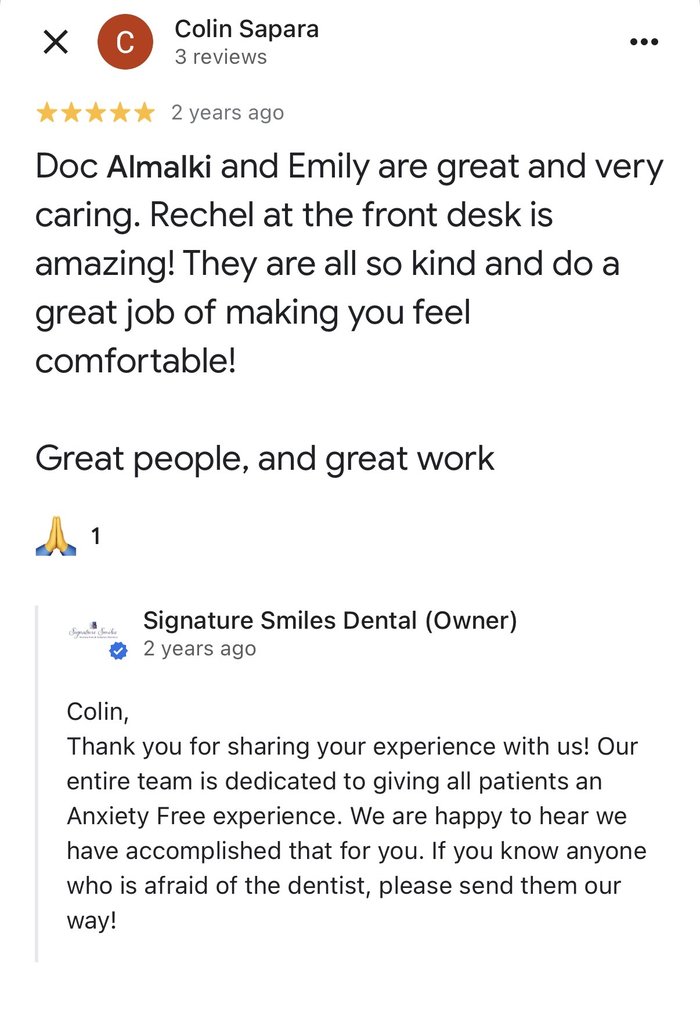
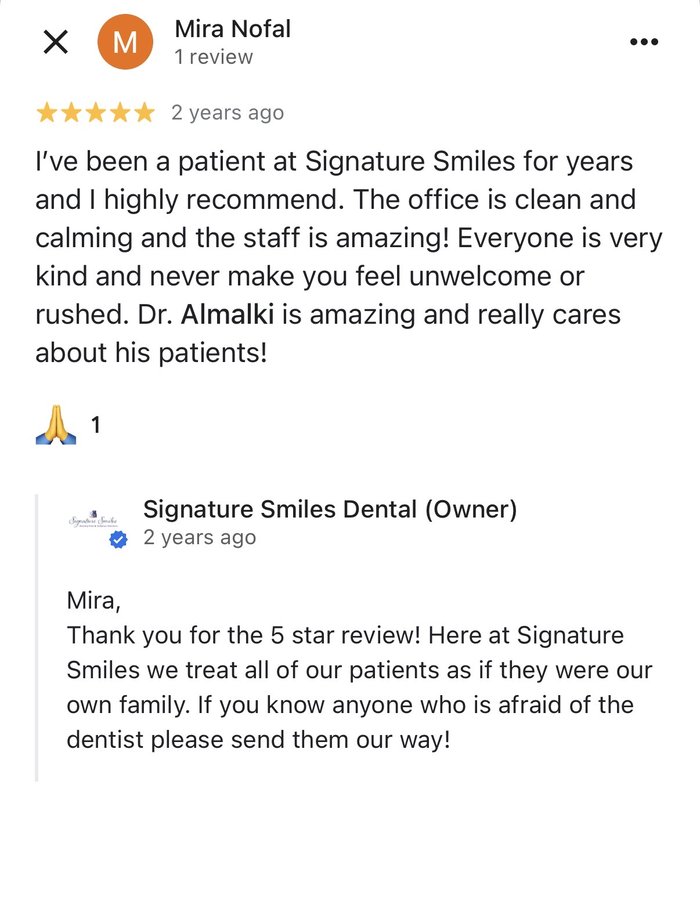
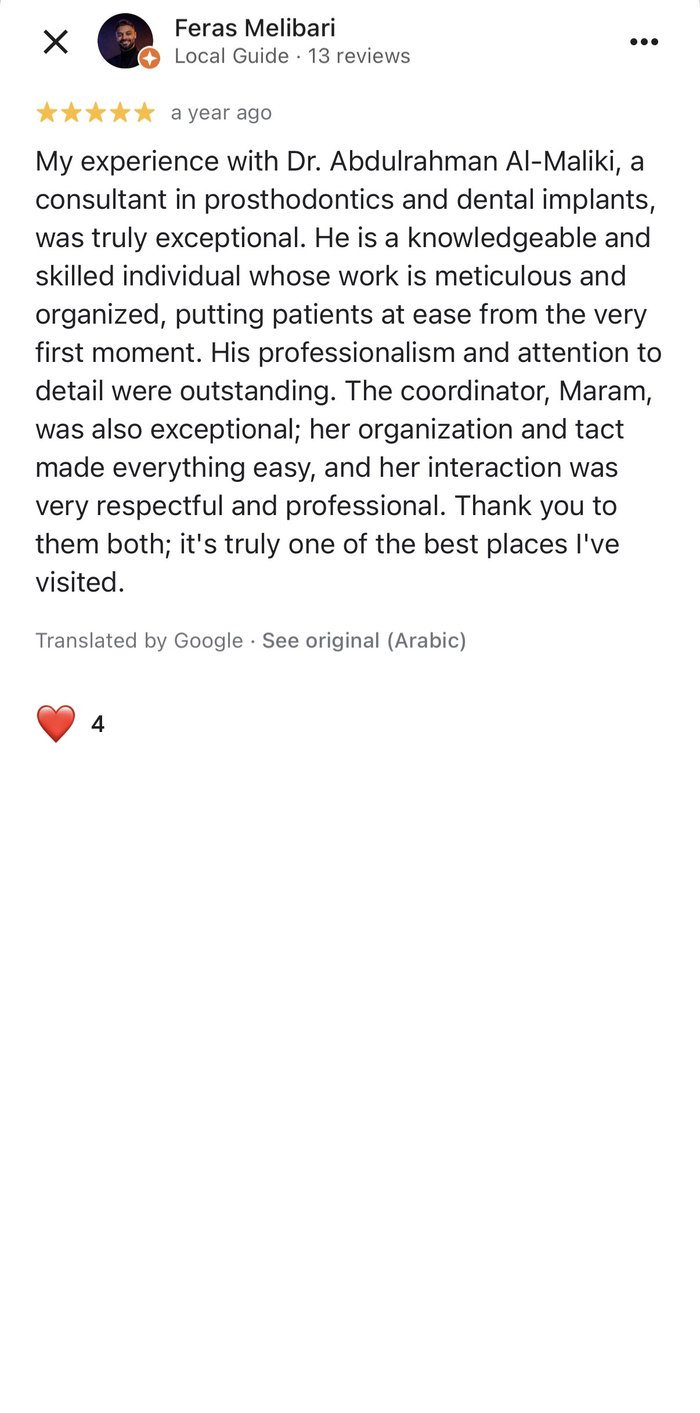
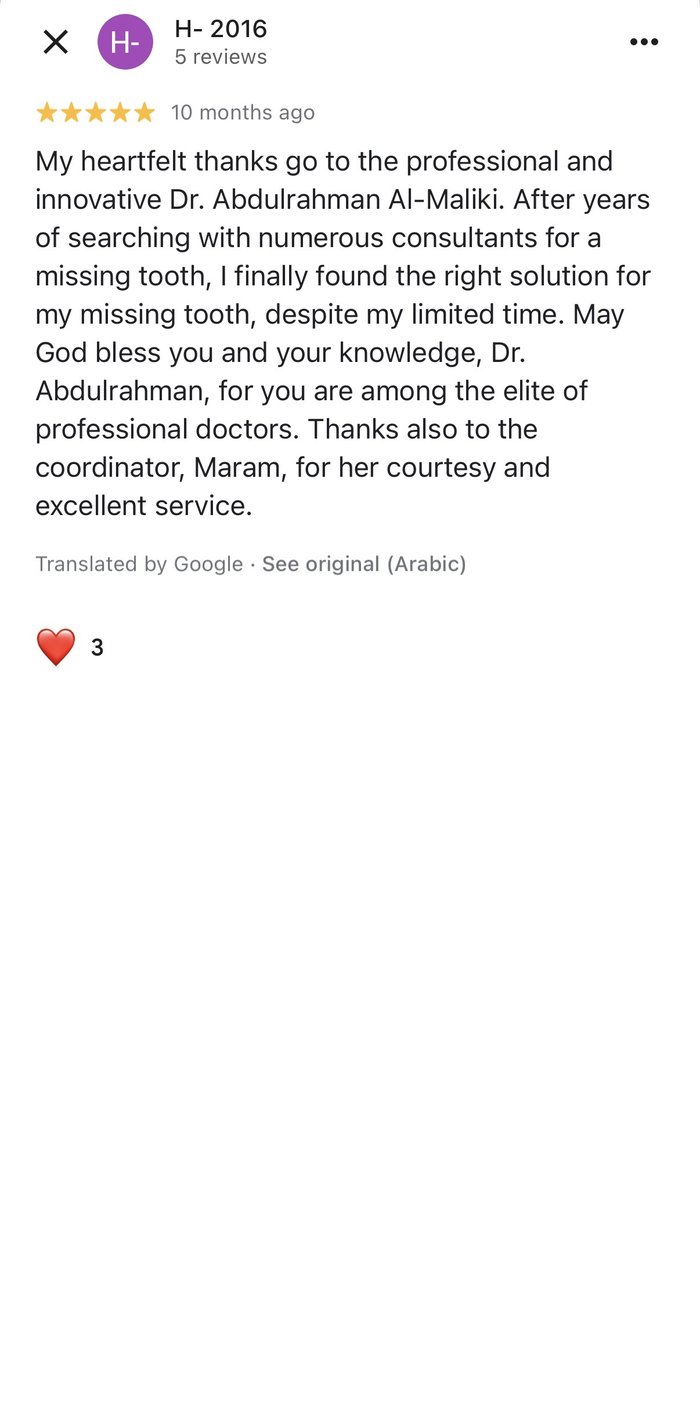
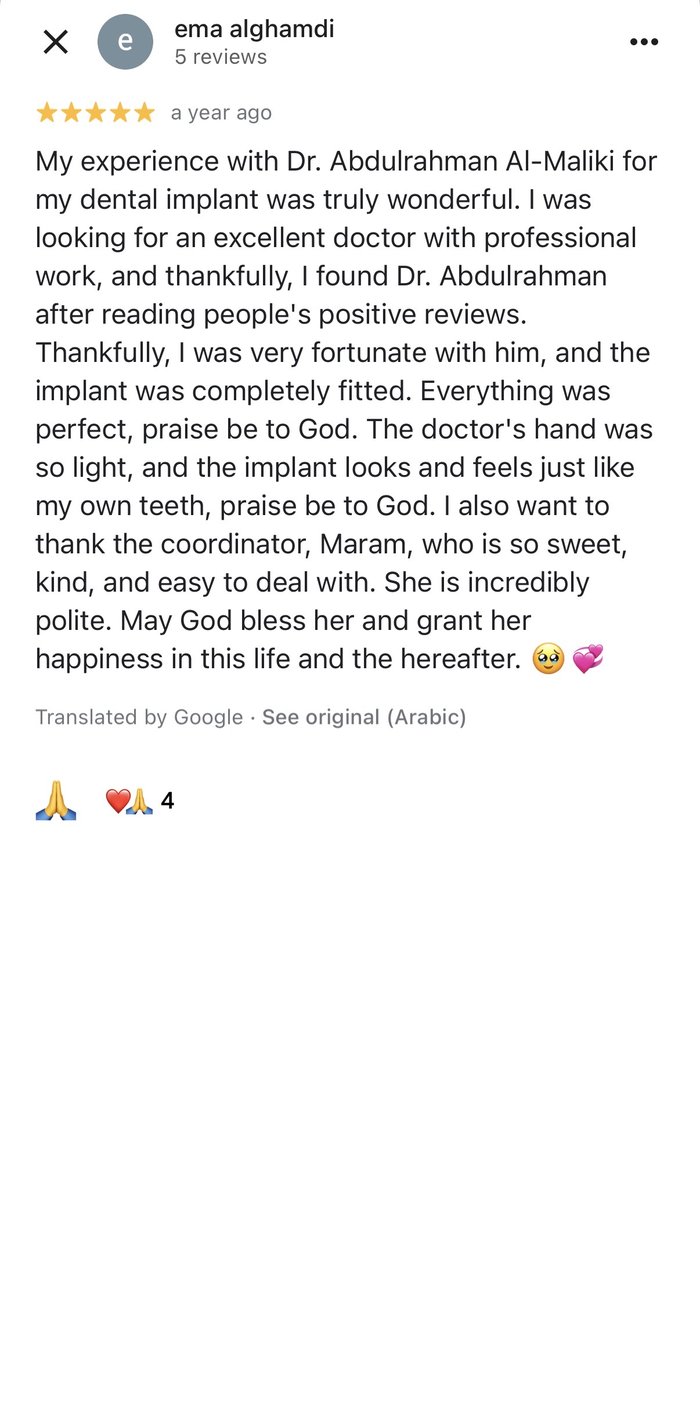
What patients say on Google





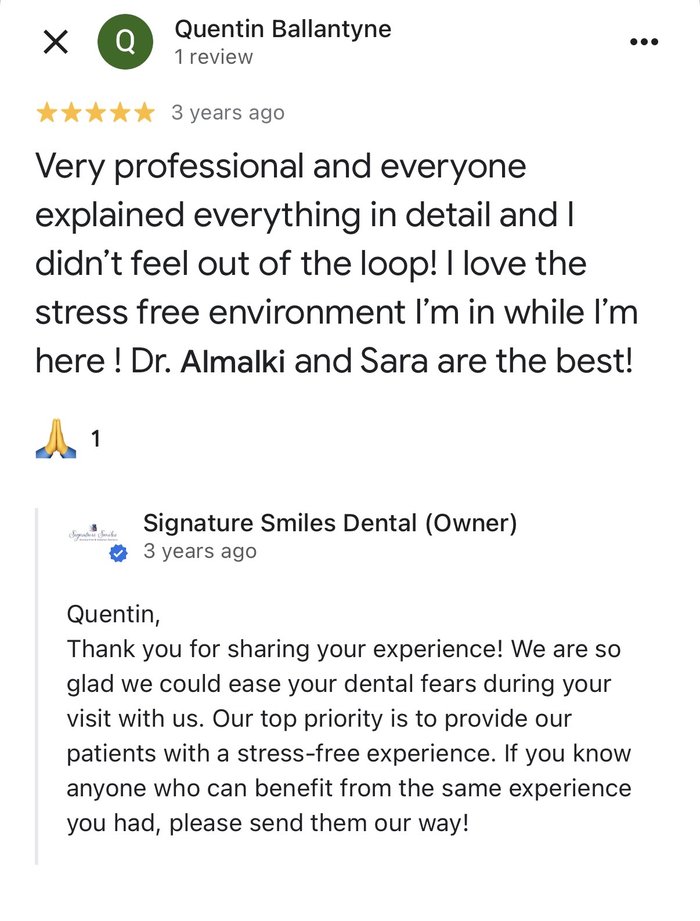
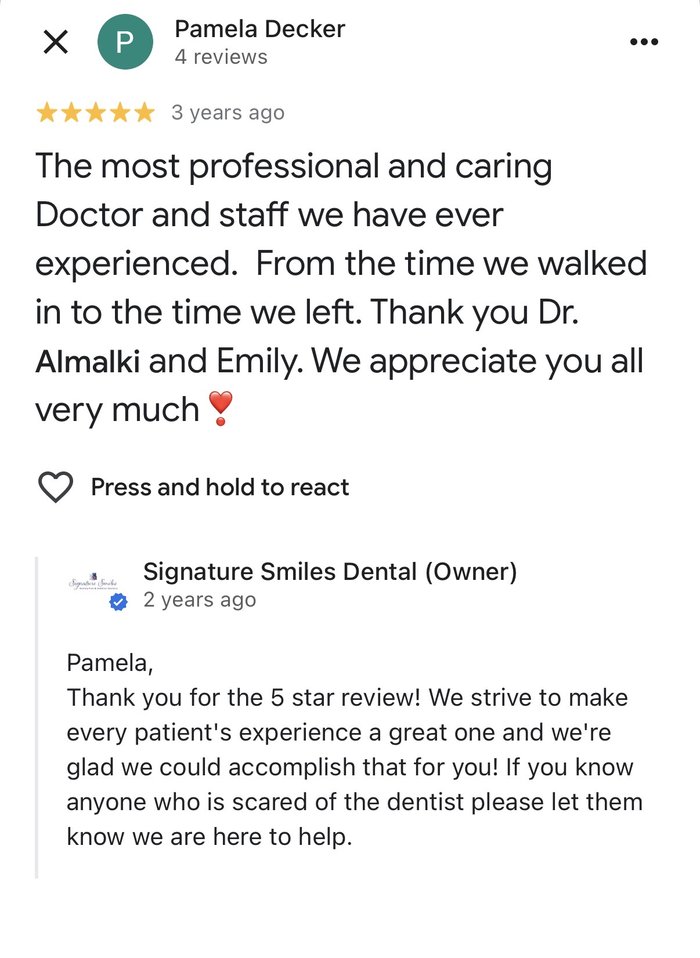
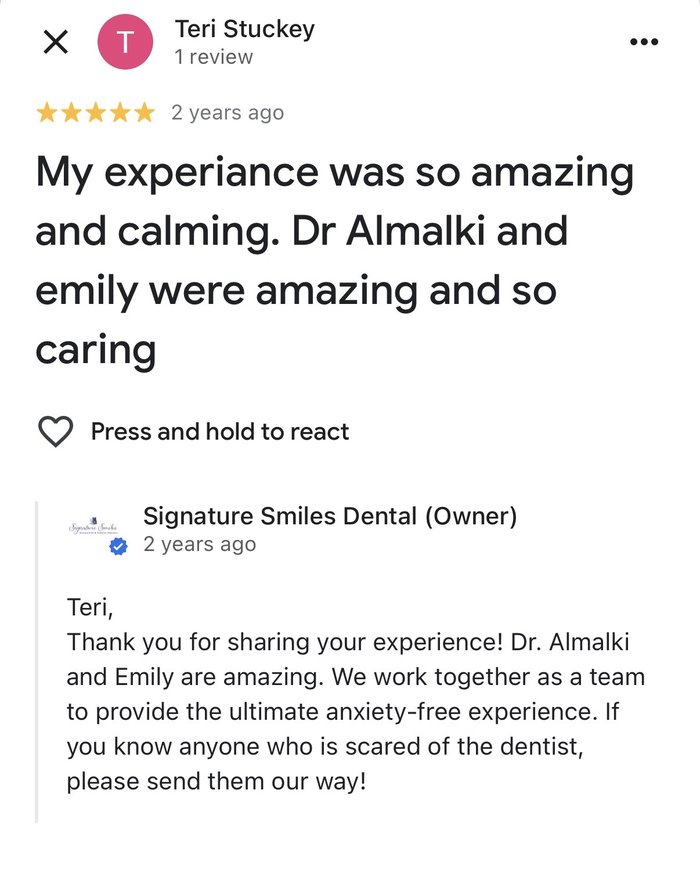
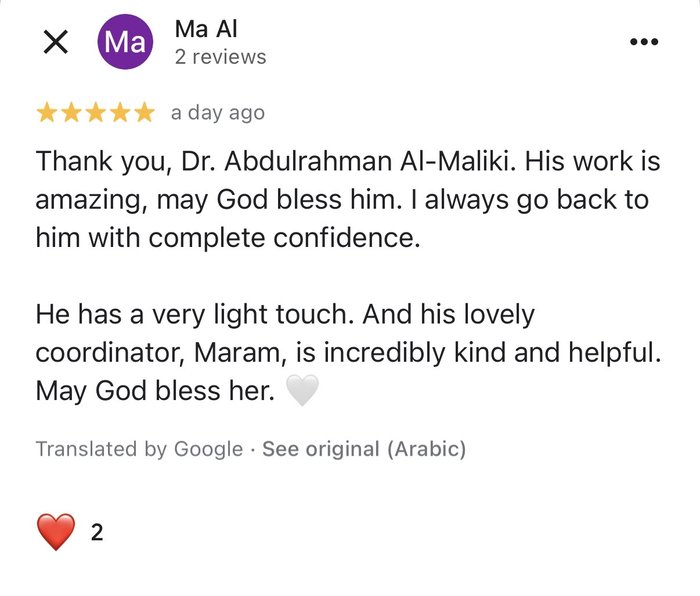

Surgical gallery
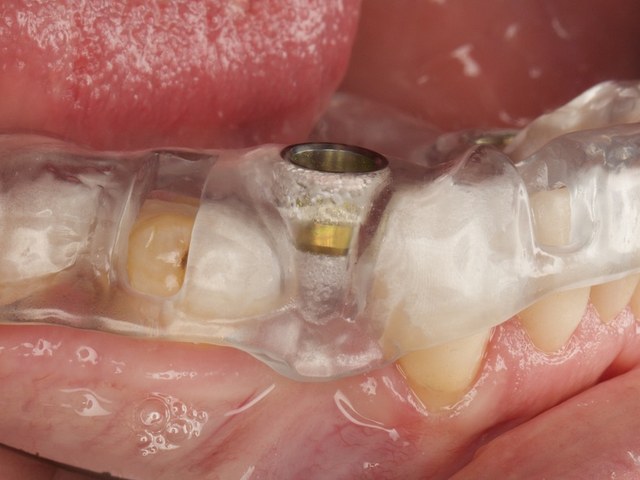
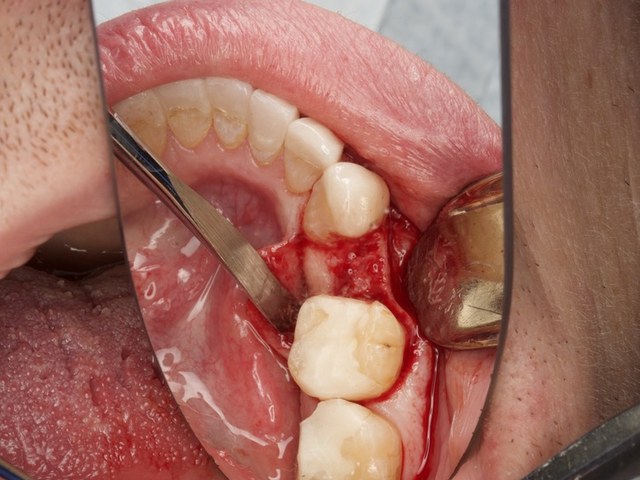
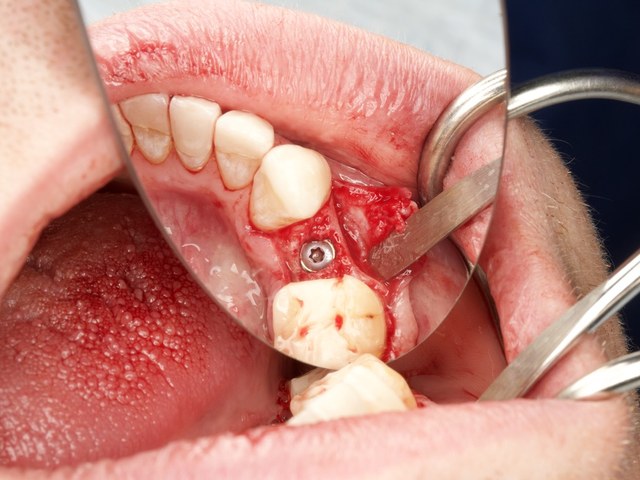
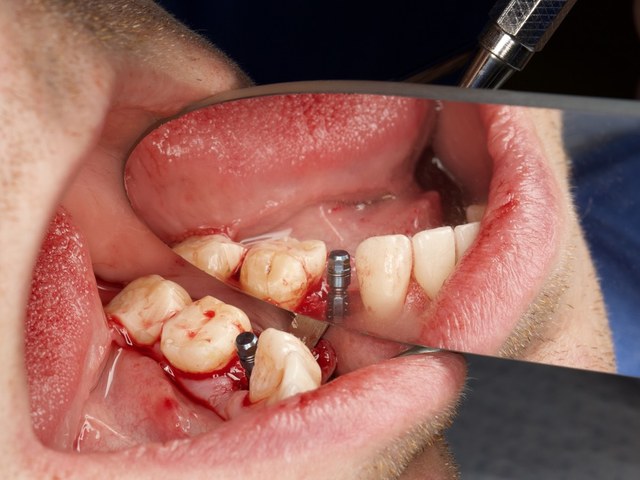
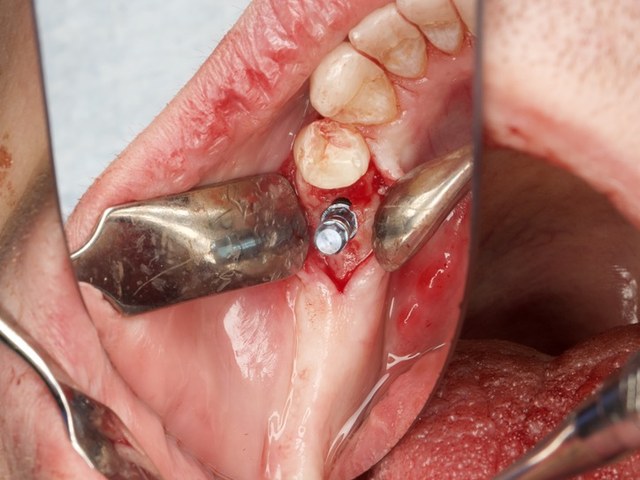
Single implant placement — step by step
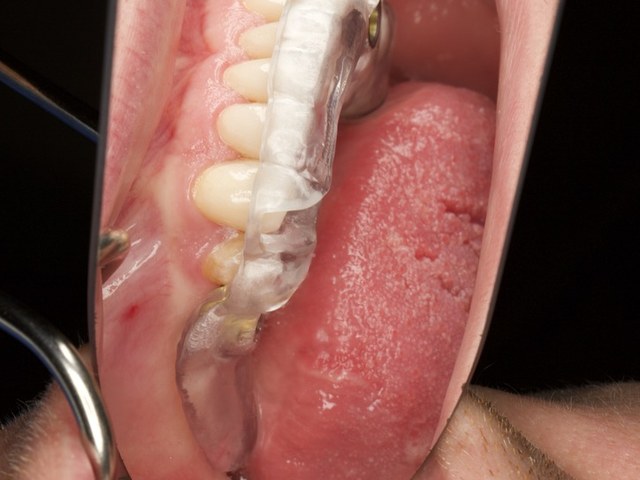
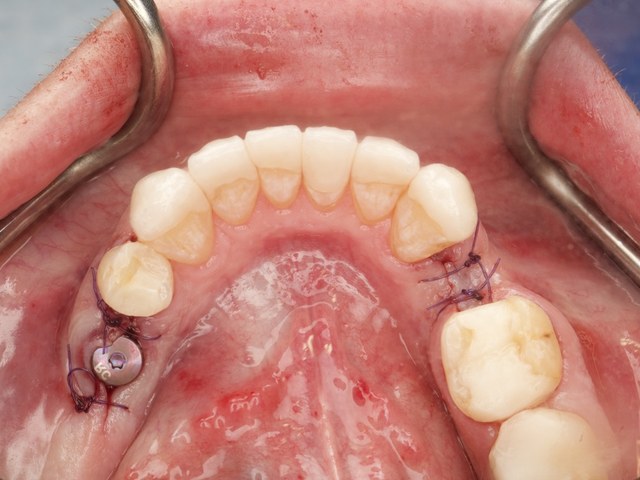
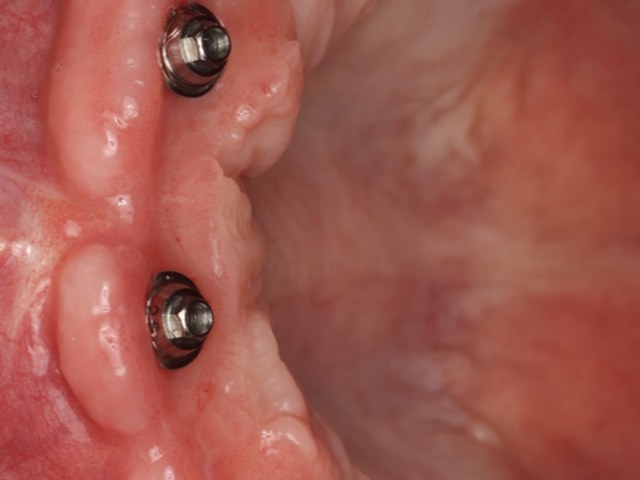
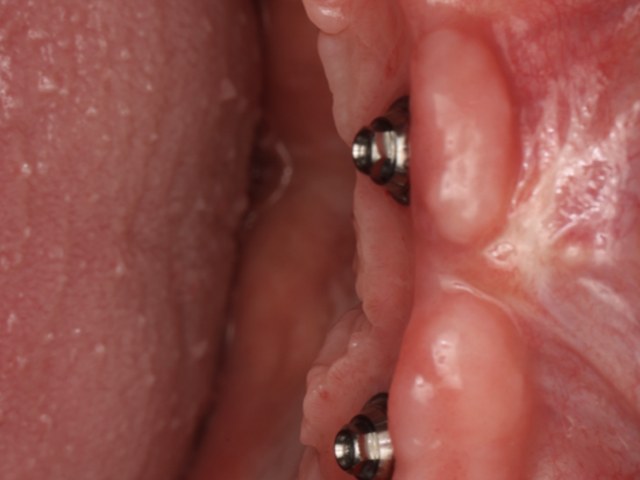
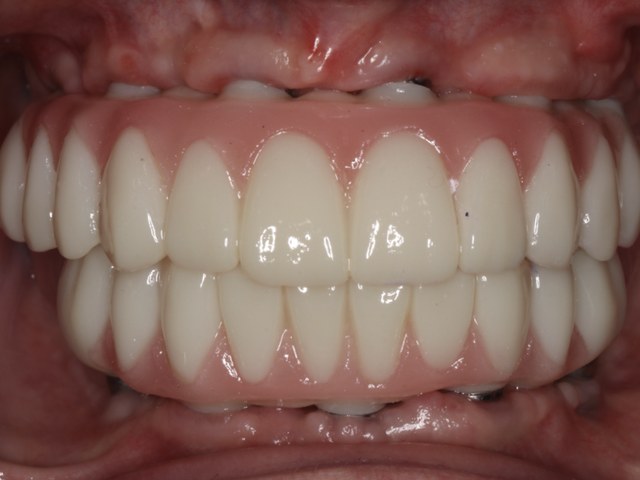
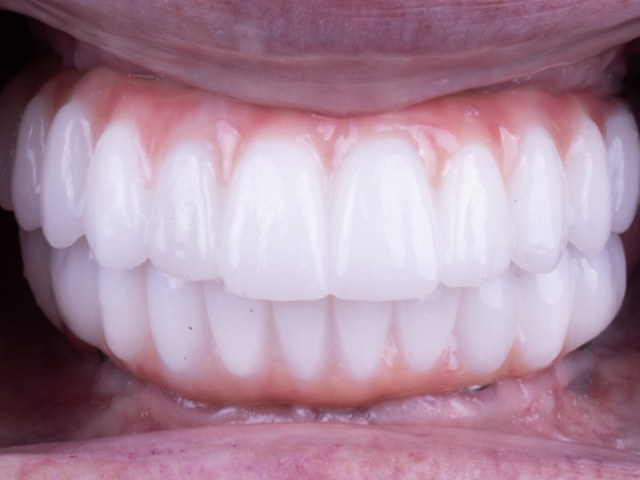
Case 1 — Single Implant Placement
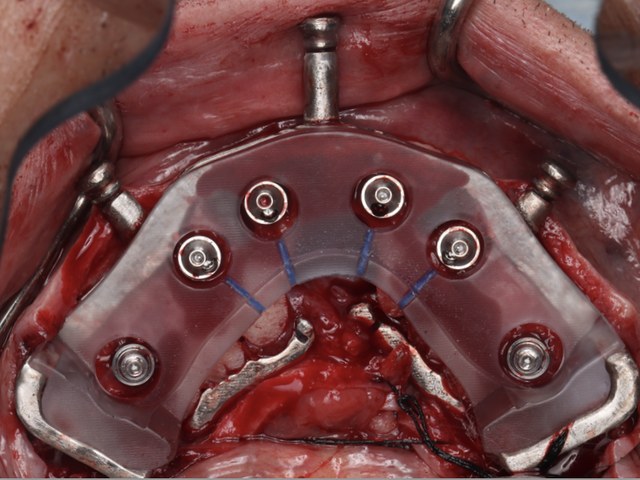
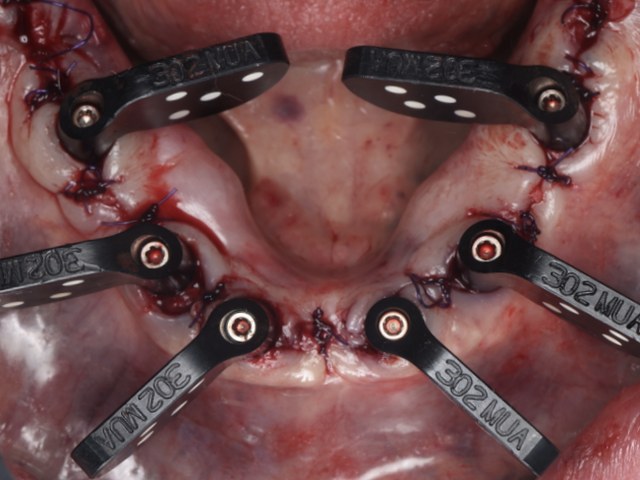
Case 2 — Full-Arch Edentulous Rehabilitation
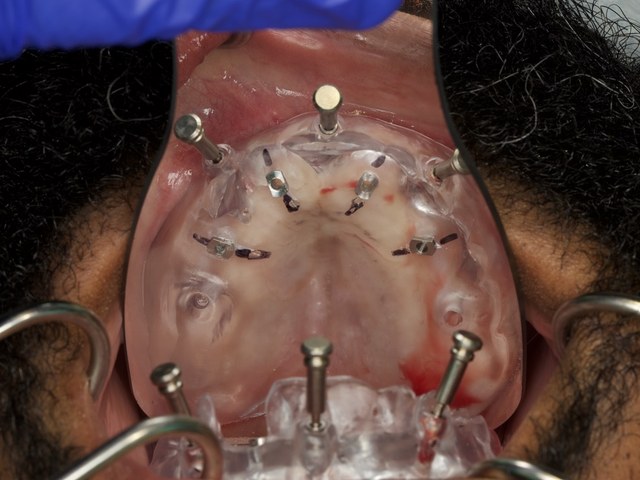
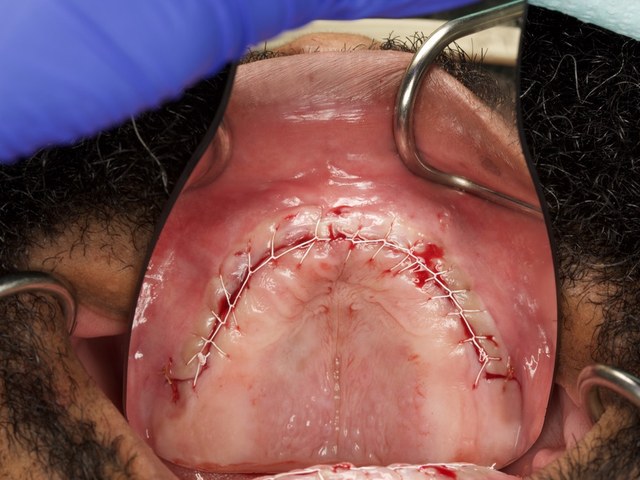
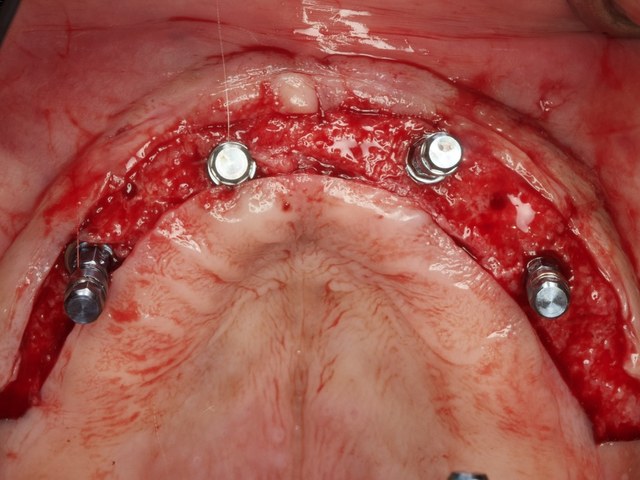
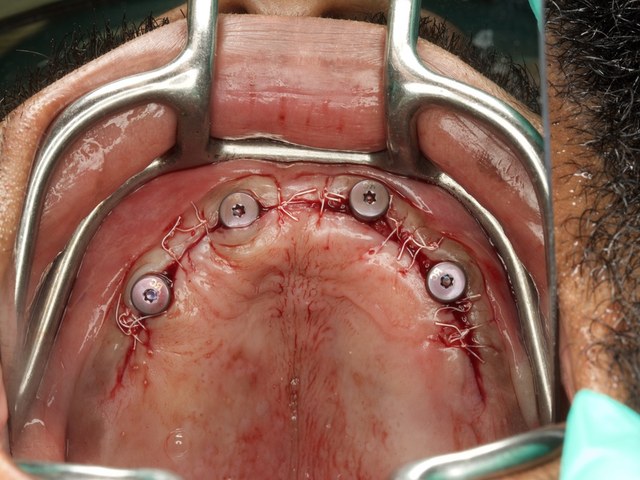
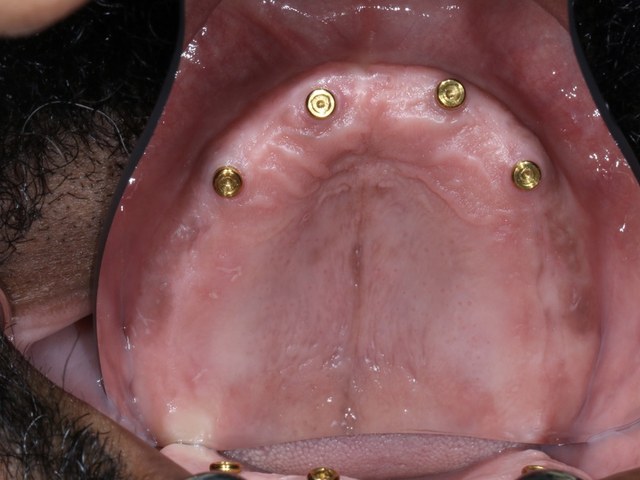
Case 3 — Fully Guided Surgery with Immediate Load
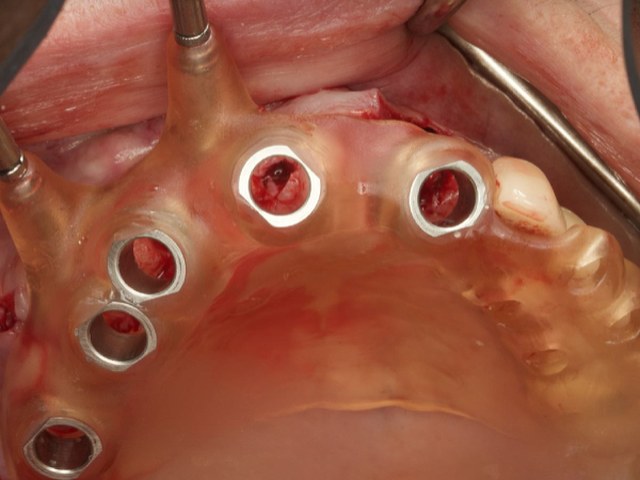
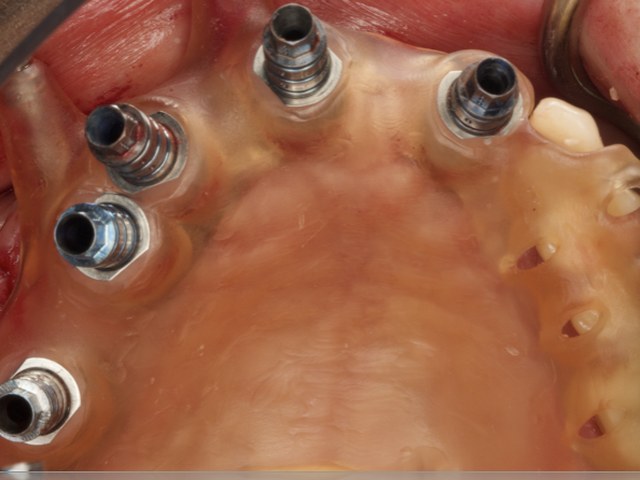
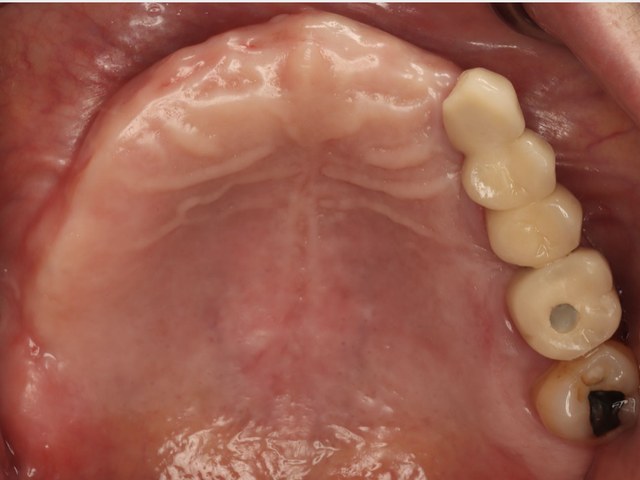
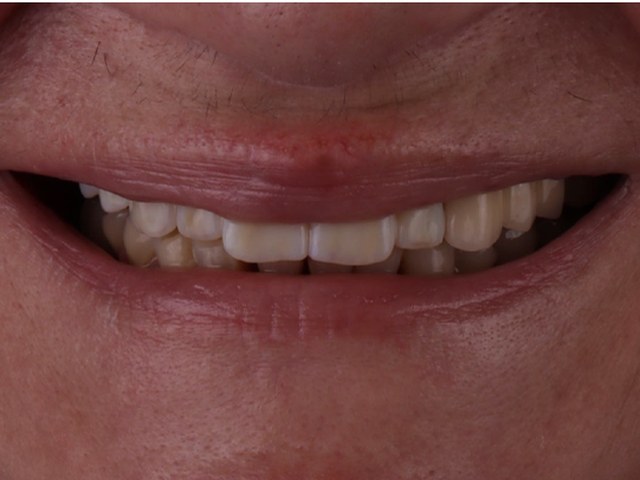
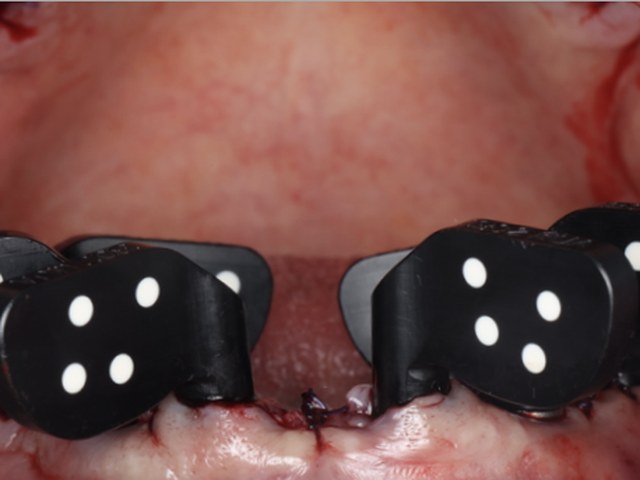
Case 4 — Full-Mouth Immediate Implant Placement & Loading
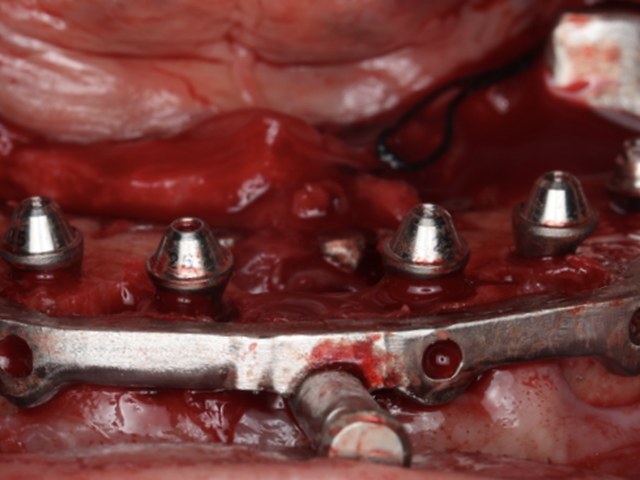
Selected research
Recent publications
-
2026
Patient-reported outcomes of maxillary palateless monolithic CAD/CAM implant-supported overdentures: A retrospective pilot study. Digital Dentistry Journal.
-
2026
Self-supervised learning of deep embeddings for classification and identification of dental implants. Journal of Imaging.
-
2025
Comparative accuracy of digital impressions using universal dual-purpose scan jigs for maxillary implant full-arch impressions. Journal of Prosthodontics.
-
2025
Assessment of ChatGPT's performance on the ACP 2024 National Prosthodontics Resident Exam (NPRE). European Journal of Dental Education.
-
2025
Mapping the prosthodontic workforce in Saudi Arabia: Patterns, training backgrounds, and regional distributions. Saudi Dental Journal.
Speaking & recognition
Recent engagements
- Feb 2026 Session Moderator, "Digital Dentistry & AI" — Saudi International Dental Conference, Riyadh
- May 2025 Speaker, "Digital Implant Overdentures" — ACP Digital Symposium, Chicago, USA
- Jan 2025 Speaker & Session Moderator — Saudi International Dental Conference, Riyadh
- 2023 Program Director's Resident Award & SCAD Award for Clinical & Research Proficiency — University of Pennsylvania
Frequently asked questions
Answers before you ask
A prosthodontist has extra specialized training beyond dental school in restoring and replacing teeth — crowns, bridges, veneers, dentures, and implant-supported restorations. "Consultant" is the advanced specialist designation used in Saudi Arabia's healthcare system, similar to how it marks a senior specialist physician.
Not necessarily. Many single-implant procedures are done comfortably with local anesthesia alone. Sedation is usually reserved for anxious patients, longer procedures like full-arch cases, or simply by preference — it's a choice, not a requirement.
Most patients feel little to no pain during the procedure itself since it's done under local anesthesia. Mild soreness or swelling for a few days afterward is normal and usually manageable with over-the-counter pain relief.
Placing a temporary tooth on the implant the same day as surgery, instead of waiting months to heal first. It's not suitable for every case — it depends on bone quality, implant stability, and the treatment plan.
A custom 3D-printed surgical guide, designed from your CT scan, directs the exact position, angle, and depth of each implant. It improves precision and reduces uncertainty during placement.
A Maryland bridge replaces a missing tooth using a wing bonded to the back of neighboring teeth, without grinding them down. A traditional bridge requires shaping the adjacent teeth to hold crowns — more effective in some cases, but the Maryland approach is more conservative where it fits.
A veneer covers just the front surface of a tooth to improve shape or color, preserving more natural tooth structure. A crown covers the entire tooth and is used when more strength or coverage is needed.
No — it depends on the case. Some patients qualify for minimal-prep or no-prep veneers. Others need some enamel reduction for a natural fit and long-term durability. It's evaluated individually.
A popular (not clinical) term for a bright, uniform, symmetrical smile — usually achieved with veneers or crowns on the visible front teeth. The look is customized to each patient's face, not one fixed style.
Most patients return to normal activities within a day or two. Mild swelling, soreness, or minor bruising can occur for a few days, with follow-up visits to monitor healing.
Brush and floss as you would natural teeth (a water flosser or interdental brush helps around implants), keep up with regular checkups and cleanings, and avoid excessive force like chewing ice or very hard foods.
Get in touch
Questions, referrals, or collaboration
Follow